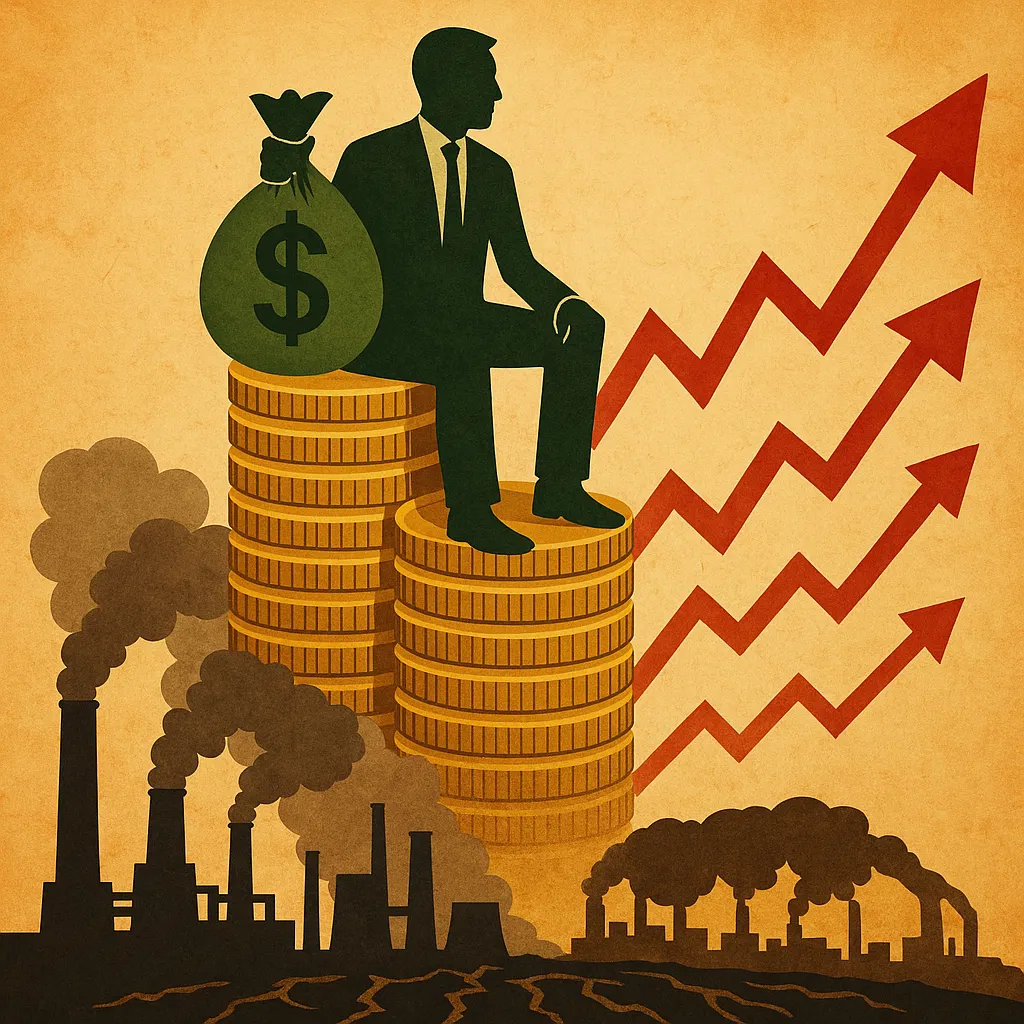
Corporate greed is the idea that big companies chase profit so hard that they hurt the people around them: customers, workers, and communities. You’ve probably felt it when a snack shrank but the price didn’t, or a surprise fee showed up at checkout.
But the term is slippery. One person’s greed is another person’s business doing exactly what it was built to do.
This guide helps you tell the difference between normal profit-seeking and behavior that crosses a line.
You’ll also see where economists agree, where they don’t, and what you can do about it as a shopper, worker, or voter.
What Corporate Greed Looks Like in Real Life
Shrinkflation is one of the most visible examples: you pay the same price for less product, like a smaller cereal box or fewer chips in the bag.
Other warning signs include big stock buybacks and executive bonuses in the same year as layoffs or pay freezes. Critics argue that money could have gone to workers or lower prices instead.
At the harsher end, you get outright scandals, like Purdue Pharma’s marketing of OxyContin or Wells Fargo staff opening millions of fake accounts to hit sales targets.
Then there are junk fees, the hidden charges on concert tickets, hotel stays, and bank accounts that keep the real price out of sight until it’s too late.

Is Corporate Greed Real? The Debate Explained
When prices surged in 2021 and 2022, many people blamed corporate greed, and the term “greedflation” took off. Some research, including work from the Kansas City Fed and the European Central Bank, found that rising profit margins drove an unusually large share of price increases in that period.
Other economists push back. They argue companies were always trying to maximize profit, so greed alone can’t explain why prices jumped at that particular moment.
In their view, pandemic supply shocks, strong consumer demand, and stimulus spending gave firms room to raise prices, and profits simply followed.
There’s also a middle-ground view: concentrated markets, where a few big firms dominate, make it easier to pass on price hikes without losing customers.
Defenders of business point out that profits fund jobs, research, pensions, and new products, and that competition usually punishes companies that overreach.
Critics answer that competition only works when it’s real, and that weak regulation and heavy lobbying let some firms write the rules in their own favor.
So what can you do? Compare unit prices to catch shrinkflation, back antitrust and consumer-protection enforcement if it matters to you, and check a company’s track record before you buy.
Whatever your politics, learning to spot corporate greed, and separate it from ordinary business, makes you a sharper shopper and a better-informed voter.